
Keep Food Fresher with Proper Fridge Organization
March 13, 2017 by: Doug H. Last Updated October 24,2025 by Mandy Z.
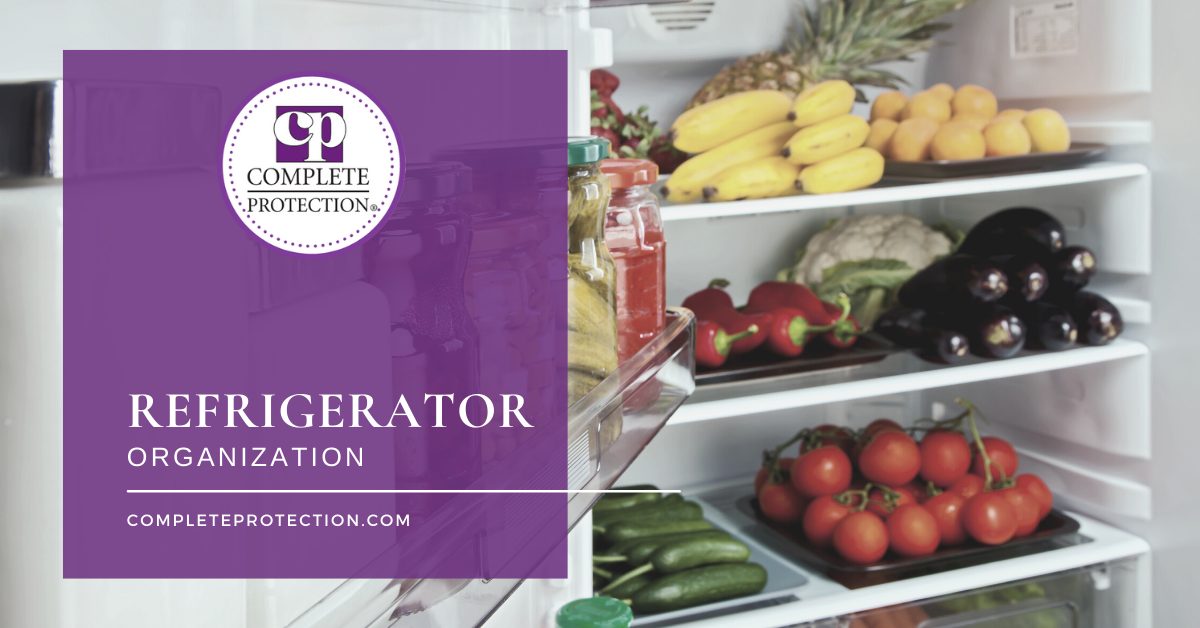
After a trip to the grocery store, many of us tend to stuff everything into the fridge and pantry without thinking about ideal fridge storage solutions. However, this isn’t the best habit. Do you know the best place to keep raw meat? How about milk and eggs? Do all fruits need to go in the same place? Knowing how to organize your fridge will help you maximize fridge space, find food faster, keep them fresher, and it will stay safe from cross-contamination.
In this blog, we will share fridge organization ideas so you can organize refrigerator drawers to maximize fridge space.
Temperature
To keep harmful bacteria from growing on your food, there are optimal ranges of temperature for safe storage. For the best results, set your fridge between 32 to 40 degrees Fahrenheit (0 to 4 degrees Celsius). It’s also important to avoid placing very hot food in the fridge. Doing so will increase the internal temperature of the appliance, risking bacterial growth in the surrounding leftovers.
Since refrigerators don’t stay at an even temperature throughout, understanding the temperature zones is key to effective fridge organization ideas. The bottom shelf is generally the coldest, making it ideal for raw meat and fish, while door shelves are the warmest and best for condiments. Knowing these temperature patterns helps you maximize fridge space and store food safely.
The Best Fridge Organization Tools and Gadgets
A well-organized fridge makes your kitchen look neat and keeps food fresher for longer. Proper storage prevents cross-contamination and reduces waste, especially when items are sealed, labelled, and stored at the right temperature.
Once opened, condiments like jams, sauces, and dressings should go in the fridge with lids tightly closed. Cooked meals belong in airtight containers, while raw meat and fish should be wrapped securely and kept on the bottom shelf to avoid drips.
To make organizing even easier, here are some handy fridge organization tools and gadgets worth trying:
- Clear storage bins: Group similar items like snacks or dairy for easy access.
- Lazy Susans: Keep condiments or sauces within reach on rotating trays.
- Adjustable dividers: Customize shelf space for tall bottles or meal-prep containers.
- Stackable containers: Maximize vertical space and prevent clutter.
- Fridge thermometers: Ensure proper temperature for food safety.
- Label makers: Track freshness dates and reduce confusion.
- Egg organizers and bottle holders: Add order and prevent breakage.
With the right tools and storage practices in place, you can now organize your fridge efficiently. Here is a guideline for each area of the fridge:
Upper Shelves
The highest shelves of the fridge should contain food that doesn’t need to be cooked. This includes items such as leftovers, dips and sauces, pizza, baby food, tortillas, etc. You can also keep other items that won’t spoil on the top shelves, like medication that needs to be kept cold.
By keeping cooked food above raw items, you prevent harmful bacteria from dripping onto already-prepared meals. Proper placement and grouping of items is an important part of effective refrigerator organization tips, helping you organize refrigerator drawers and maximize fridge space while keeping food safe and fresh.
Middle and Lower Shelves
The middle shelves of the fridge are ideal for dairy products such as milk, cheese, cream, yoghurt, and eggs, which require a consistently cold temperature. It is generally best to keep eggs in their original carton, as these are designed to insulate them and maintain the correct temperature.
Properly arranging these items is an important part of refrigerator organization tips. Using clear containers or stackable bins can help maximize fridge space and make sure you organize refrigerator drawers efficiently, keeping dairy fresh and easily accessible.
Bottom Shelf
The bottom shelf of your fridge is usually the coldest part, especially towards the back. Raw meat and fish should be kept here.
Not only does this keep them very cold, but they also won’t have a chance to drip down onto other food and cause cross-contamination.
Some fridges have a dedicated meat drawer, which also works well. Clean the meat area of the fridge often.
Produce Drawers
The drawers of the fridge should hold fruits and vegetables. Fruits and vegetables keep longer in low-humidity areas, which “crisper” drawers create. On the other hand, if you want your fruit to ripen faster, try the top shelf instead.
For most produce, it’s best to keep them in the original packaging, but some can spoil faster if tightly sealed. The drawers are also a great place to store herbs. Keep fresh produce away from the cold back of the fridge. Biting into a frozen piece of lettuce is not a pleasant experience.
There are a few types of produce that should not go in the fridge because they release gases that can cause other food to spoil more quickly. These include tomatoes, avocados, bananas, peaches, pears, and plums.
Door Shelves
The door shelves are the warmest area in your fridge and the most susceptible to temperature changes. As a result, this is a great place to store foods that don’t need to be kept at constant temperature. This includes foods that contain preservatives such as salt, vinegar, or sugar.
Condiments, jams, jellies, and juice can be safely stored in the door. Butter keeps better than other dairy products and can also be kept in the door.
Place larger, heavier items on the bottom shelf. Make sure you clean out the condiment section of the fridge often, so your fridge isn’t full of expired sauces and juice!
Regular cleaning and temperature checks are key to extending the life of your fridge. If you’re planning to sell your home, here’s how to transfer warranties when selling a house to ensure your appliance coverage goes with it.
How to Organize Your Fridge by Food Type
Organizing your fridge by food type helps maintain freshness, prevents odors from transferring between items, and reduces the risk of cross-contamination. By grouping similar foods together, you make it easier to locate what you need, track expiration dates, and store items at the optimal temperature for safety and longevity.
Use the table below as a quick reference for where different types of foods belong in your fridge:
| Food Type | Best Storage Location | Tips for Freshness & Safety |
| Dairy (milk, cheese, yogurt, cream, eggs) | Middle shelves | Keep eggs in original carton; maintain stable temperatures; avoid storing near door if possible |
| Raw Meat, Poultry, Seafood | Bottom shelf or meat drawer | Store in airtight containers or wrapped securely; prevent drips onto other foods; clean area regularly |
| Fruits | Low-humidity crisper drawer | Keep ethylene-producing fruits (apples, berries) separate from vegetables; some fruits ripen better on top shelves |
| Vegetables | High-humidity crisper drawer | Wash only before use; separate leafy greens from root vegetables for even freshness |
| Condiments & Sauces | Door compartments | Best for items less sensitive to temperature changes; check expiration dates regularly |
| Leftovers & Prepared Meals | Upper shelves | Store in clear airtight containers; label with dates to track freshness; rotate older items to front |
Common Fridge Organization Mistakes to Avoid
Even with the best intentions, it is easy to fall into habits that reduce freshness, increase waste, or compromise food safety. Being aware of these common mistakes can help you maintain a cleaner, safer, and more efficient fridge.
● Overcrowding Shelves
Stuffing too many items into your fridge prevents proper air circulation, leading to uneven temperatures and faster spoilage. Use bins, dividers, and stackable containers as part of your fridge storage solutions to maximize fridge space without overcrowding.
● Storing Food in the Wrong Zones
Placing raw meat on upper shelves or keeping temperature-sensitive items like dairy in the door can increase the risk of contamination and spoilage. Follow refrigerator organization tips for each zone to maintain safety and freshness.
● Ignoring Expiration Dates
Failing to track food freshness can result in waste or unsafe consumption. Label leftovers, check condiments regularly, and adopt fridge organization ideas that make it easy to see and rotate items.
● Mixing Ethylene-Producing Fruits with Vegetables
Fruits like bananas, avocados, and tomatoes release gases that speed up ripening and spoilage in nearby produce. Keep these items separate to preserve freshness and avoid waste.
● Skipping Regular Cleaning
A dirty fridge can harbor bacteria and unpleasant odors. Wipe spills immediately, rotate older items forward, and clean drawers and shelves frequently to maintain a healthy, organized refrigerator.
It’s important to clean out your fridge regularly. Performing some simple preventative maintenance tasks can also help your fridge stay cold more efficiently and store your food more safely. Check out Complete Protection’s guide to refrigerator and freezer maintenance for more information.
Frequently Asked Questions
How often should I clean my refrigerator?
Clean your fridge at least every 3–4 months. Regular maintenance supports fridge organization ideas, prevents odors, and keeps food safe while helping maximize fridge space.
What are the best containers for fridge organization?
Use clear, airtight containers, stackable bins, and labeled organizers. These fridge storage solutions help maximize fridge space and make it easy to organize refrigerator drawers efficiently.
How can I prevent food spoilage in my refrigerator?
Store foods by type, seal leftovers in airtight containers, separate raw meat, and maintain proper temperatures. Follow refrigerator organization tips to keep items fresh longer.
What is the best temperature to keep my refrigerator at?
Keep your fridge between 32–40°F (0–4°C) for safety. Proper temperature control complements fridge organization ideas and helps maximize fridge space while preserving food freshness.